Ask what needs to be known.
Begin with a specific person, a real decision, and the evidence they are missing. Build around that need.
Evidence for consequential decisions
AI makes polished essays, portfolios, and reports easier to produce. Asili builds ways to examine what that work demonstrates, so people can make more informed decisions. Education is our first frontier.
Our starting pointAn essay shows what was submitted. A conversation adds evidence of what is understood.
01 / Our thesis
Institutions often use a piece of work to infer something they cannot see directly: an essay suggests understanding, a portfolio suggests capability, a report suggests careful investigation. Generative AI changes the relationship between a convincing artifact and the knowledge, effort, or events behind it.
| The work we see | The question underneath |
|---|---|
| An essay | Can the student explain the reasoning? |
| A portfolio | Can the candidate apply the capability? |
| A report | What supports its conclusions? |
AI-assisted work can be valuable. Sometimes the finished result is all that matters. Our focus is on decisions where something more needs to be established, and where better evidence would make a practical difference.
02 / Our approach
Begin with a specific person, a real decision, and the evidence they are missing. Build around that need.
Connect observations to their sources. People should be able to examine how a system reached an interpretation and question it.
Provide evidence with its context and limits. The person responsible for the decision keeps the authority to make it.
03 / What we’re building
First product · EducationA conversation about the work. A record you can inspect.
Eleza helps instructors explore how students explain their own submissions. It maps claims in the work, asks questions about them in a spoken or typed conversation, and produces an evidence dossier.
The record connects answers to passages in the submission and shows the examiner’s reasoning. Students can keep their own copy. Instructors decide what the evidence means for their assignment and what follow-up is needed.
No AI-authorship verdict. No authenticity score.
Try the two-minute sampleOne idea. Two sources of evidence.
“Its greater value was organizational: people already knew who could coordinate tools, distribute information, and check on older neighbors.”
“Neighbors plan watering schedules and share harvest days, which helps them know who can coordinate tools and check on older neighbors during a disruption.”
A reviewer can compare the explanation with the original claim, read the surrounding transcript, and decide what to ask next.
04 / The person behind Asili
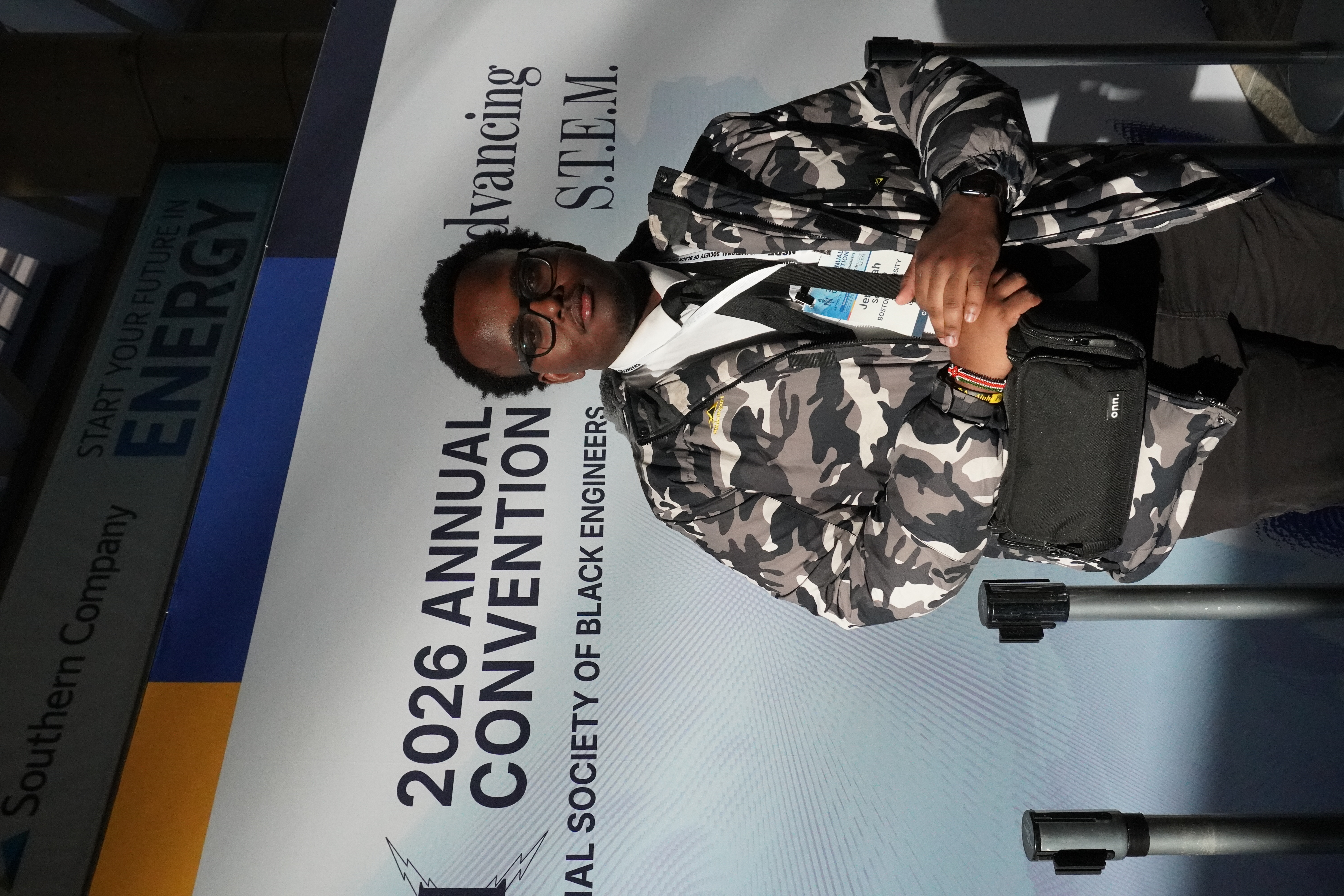
Founder · Asili Commerce, Inc.
Jeremiah is building Asili around a question: how should institutions adapt when the work they have relied on becomes easy to generate? Eleza is the first concrete way to investigate that question with the people facing it.
Connect on LinkedIn05 / Let’s talk
We are building in education today. We are also interested in how this question appears in hiring and workplace decisions. Those are areas to investigate as we learn.
Considering oral defenses or a different way to understand student work? Tell us about your course and what you need to learn from it.
Discuss an Eleza pilotIf a convincing document leaves an important question unanswered in your work, we’d like to understand the decision and how you handle it today.
Share the problemBoth reach Jeremiah directly at jeremiah@tryasili.com.